New employees at a large IT park usually have their laptop, badge, and desk sorted out before day one. What often isn't sorted out is something much simpler: how they're supposed to get to and from a campus that might have six gates, a dozen buildings, and a shuttle system nobody explained clearly. We sat down with a composite facilities and transport lead — based on patterns common across large IT park campuses — to talk through what actually breaks during onboarding, and where Employee Shuttle Management Software fits in, including how it changes a new hire's first week on campus.
Q: Let's start simple. What's the most common transport-related complaint you hear from new employees in their first week, before a campus has Employee Shuttle Management Software in place?
Almost always, it's some version of "I didn't know which shuttle to take." Experienced employees know their route by memory — which gate, which timing, which stop is closest to their building. A new employee doesn't have that muscle memory yet, and if the shuttle information is buried in an onboarding PDF nobody reads, they're left guessing on day one, usually standing at the wrong gate wondering if they've missed their ride.
Q: Why does this seem to be a bigger issue at IT parks specifically, compared to a single-building office?
Scale, mostly. A standalone office might have one pickup point and one obvious route. An IT park can have multiple companies, multiple buildings, and a shuttle network that loops through several stops before reaching any single office. This is exactly the kind of complexity Employee Shuttle Management Software is designed to untangle. Without it tying that network together, a new employee has almost no way to intuitively figure out which shuttle actually serves their specific building versus one that just happens to pass by it.
Q: How does this usually get handled before a company brings in proper software?
Informally, and inconsistently. Sometimes it's a printed route map handed out during induction. Sometimes it's a buddy system where a colleague walks the new hire through it once. Neither scales well, and neither survives if the shuttle schedule changes even slightly, which happens more often than people expect — especially at IT parks juggling shift-based tenants with different timing needs.
Q: What actually changes once Employee Shuttle Management Software is introduced?
The biggest shift is that shuttle information stops living in someone's memory or a static handout and becomes something a new employee can just look up. They can see which shuttle serves their building, when it's arriving, and where exactly to stand — all before their first day even starts. It removes the "ask around and hope someone knows" step entirely.
Q: Is there a safety or comfort angle here too, beyond just logistics?
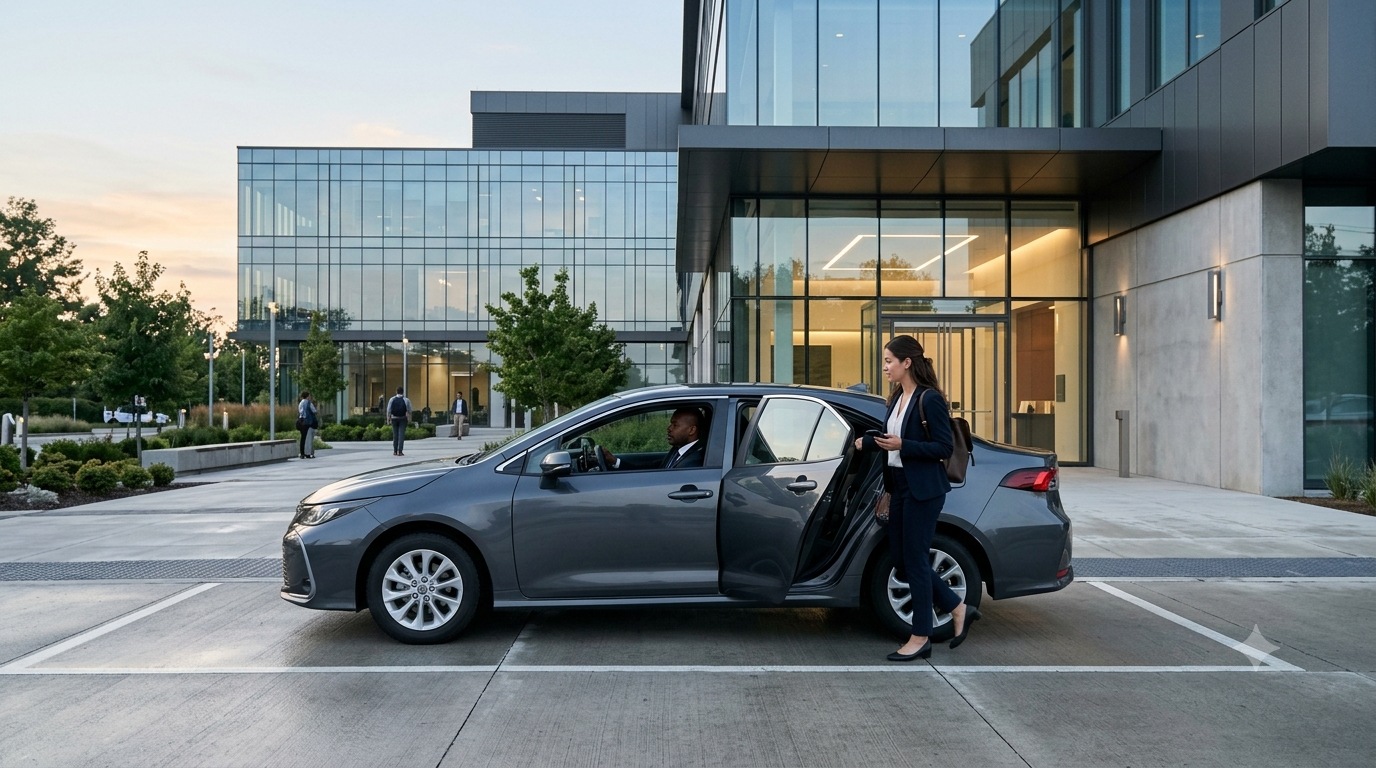
Definitely. A new employee getting into an unfamiliar shuttle with an unfamiliar driver, in an unfamiliar campus, is a slightly nerve-wracking experience even if nothing goes wrong. Good Employee Shuttle Management Software usually includes live tracking, so a new hire can actually see the shuttle approaching instead of standing at a gate wondering if they're even in the right place. Some platforms also include IVR-based call masking, so if a new employee does need to reach the driver directly — say, they're standing at the wrong stop — they can call without exchanging personal numbers with someone they've just met.
Q: Does this only matter during the first week, or does it stay relevant afterward?
It matters most in the first two or three weeks, honestly, but the underlying system doesn't stop being useful once someone's settled in. Shuttle routes at IT parks change periodically — a new building opens, a stop gets relocated, timing shifts because of traffic patterns. Employee Shuttle Management Software makes those changes visible instantly to everyone, not just the people who happened to notice a printed notice near the elevator.
Q: From an operations standpoint, what's the actual workload difference?
It's significant, though it's easy to underestimate until you've lived through an onboarding batch without it. Every new hire's shuttle questions used to route through facilities or HR — "which shuttle," "where's the stop," "is it running today." With proper Employee Shuttle Management Software in place, employees can answer most of these questions themselves by checking the app, which means facilities teams aren't fielding the same five questions from every new joiner, every single week.
Q: Are there platforms you'd point to as doing this well?
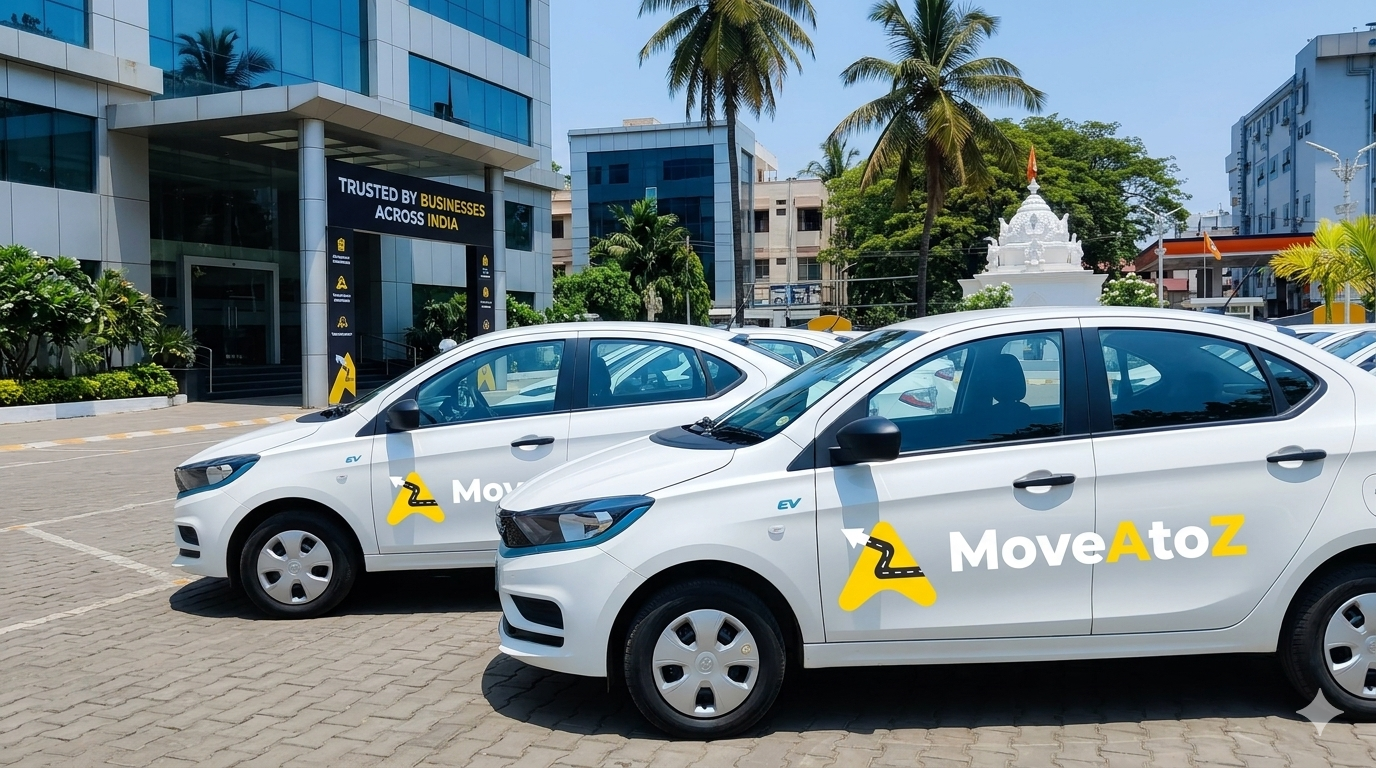
MoveAtoZ is one example — it handles live shuttle tracking and IVR-based call masking between employees and drivers, which covers both the "where's my ride" question and the "how do I reach the driver safely" question without needing facilities to be the middleman for either. For a campus onboarding new employees every month, that kind of self-service visibility tends to matter more than people expect going in.
Q: If a company is choosing Employee Shuttle Management Software specifically with onboarding in mind, what should they prioritize when comparing options?
A few things stand out. First, the interface has to be genuinely simple — a stressed new employee on day one isn't going to figure out a complicated app. Second, it needs to clearly map shuttles to specific buildings and gates, not just show a generic list of routes. Third, live tracking matters more for new employees than veterans, since veterans already have a rough sense of timing and newcomers don't. And fourth, some kind of safe communication channel with the driver is worth having, simply because new employees are far more likely to end up at the wrong stop in their first week than anyone else on campus.
Q: Any final thought on why this is worth solving early, rather than letting new hires figure it out themselves?
First impressions matter more than people give them credit for. If someone's first week involves standing confused at the wrong gate, that's a small thing, but it's also an unnecessary one. Employee Shuttle Management Software doesn't just make transport more efficient — for a new employee, it quietly removes one more thing they have to figure out on their own during a week that's already full of new things.
Onboarding usually gets a lot of attention when it comes to laptops, badges, and paperwork, and almost none when it comes to something as basic as getting to the right building. Employee Shuttle Management Software fixes a problem that's easy to overlook precisely because it seems minor — until you're the new employee standing at the wrong gate, unsure if you've already missed your ride.