Ananya's shift ends at 9:15 PM. Her mother, Meera, doesn't work at the company Ananya does, has never seen its office, and has no reason to think about transport software — until 9:15 PM rolls around and her daughter still isn't home. This is the story of that evening, told from both sides, and why Employee Pickup and Drop Software matters even to the person who never logs into it at all.
By 9:00 PM, Ananya is wrapping up her last few tasks. She's not thinking about her ride home in any anxious way — she's thinking about it the way most people think about a bus they've caught a hundred times before: routine, unremarkable, background noise. She glances at her phone and sees her cab is already assigned, with an estimated pickup time and the driver's details visible. Before she even leaves her desk, she knows roughly what her evening looks like.
Across the city, Meera checks the clock more than she'd like to admit. Her daughter works late a few nights a week, and while she's mostly made peace with it, "mostly" isn't "entirely." Meera doesn't have an app of her own for this — the tracking and safety tools live on Ananya's side, not hers. What Meera has instead is a habit: a quick text from Ananya the moment she gets in the cab, something like "in the car, OTP confirmed, should be home by 9:45." It takes Ananya ten seconds to send, because the information is already sitting right there on her screen.
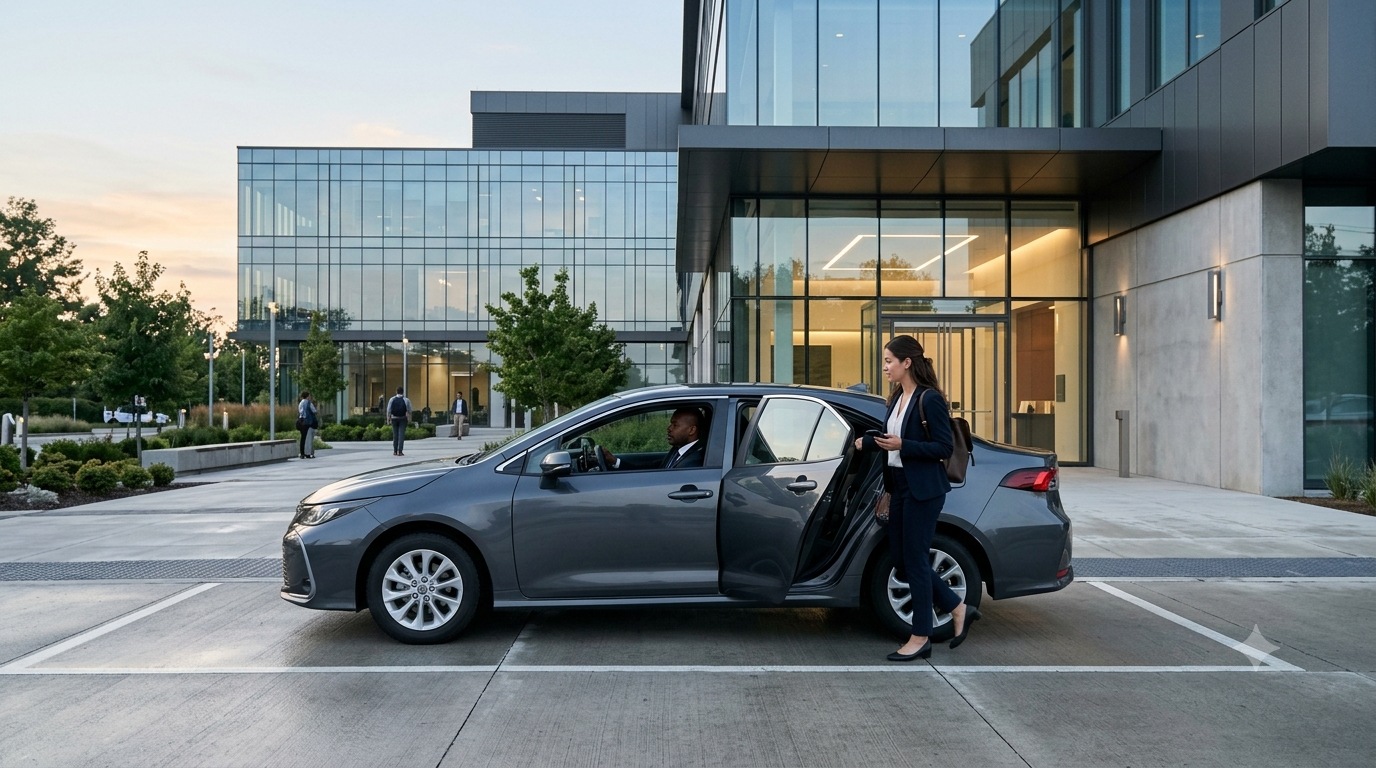
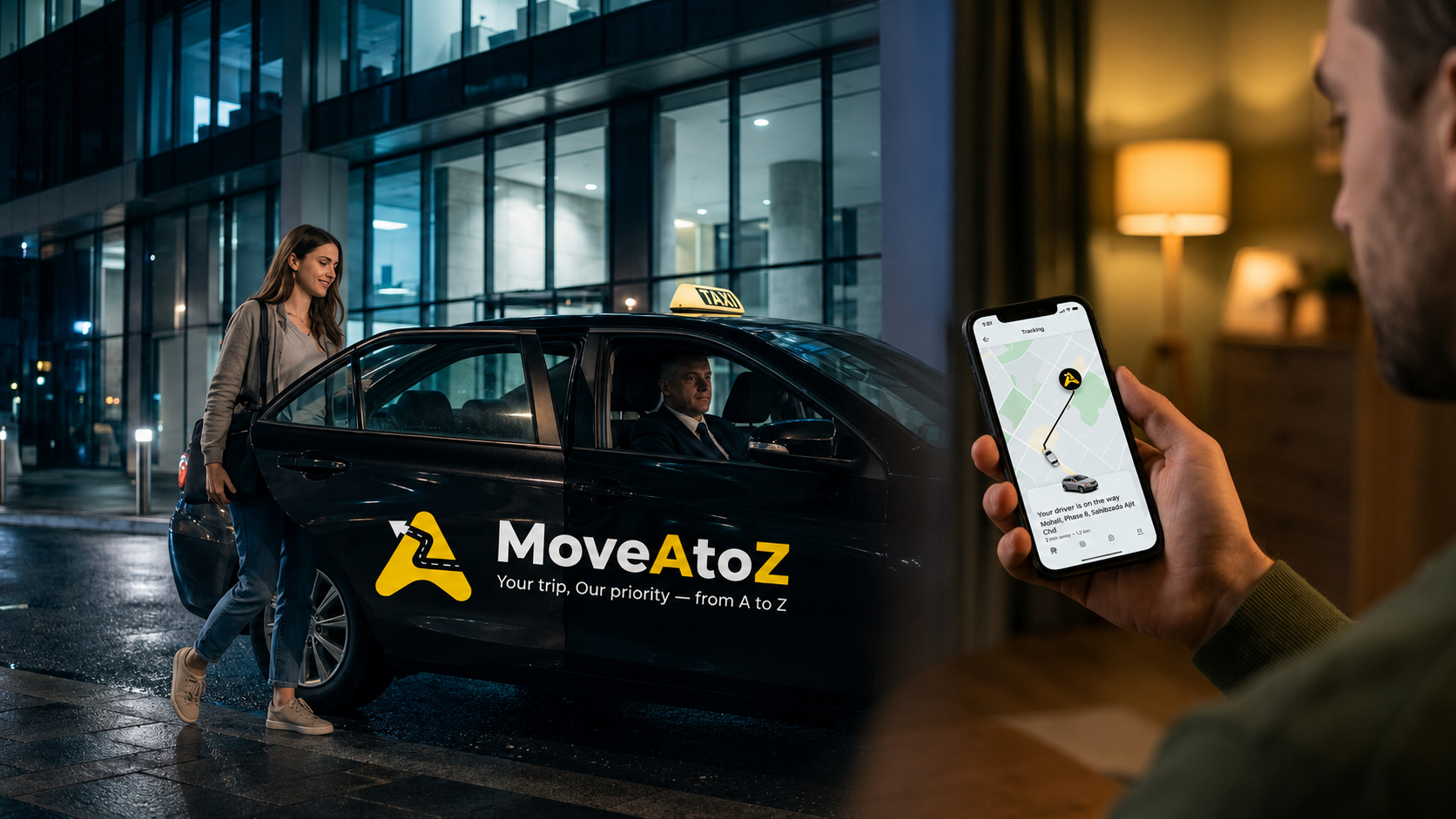
At 9:18 PM, Ananya gets into her cab. An OTP confirms she's boarded the correct vehicle — a small detail she barely notices, but one that means the trip is now logged, timestamped, and tied to a verified driver rather than just a name on a booking sheet. She fires off her usual text to Meera, this time with the added detail that traffic looks a little heavier than normal tonight.
This is the quiet core of what Employee Pickup and Drop Software actually does. It doesn't share anything with Meera directly — she's not inside the system, and she doesn't need to be. What good Employee Pickup and Drop Software does instead is give Ananya enough real, accurate information that keeping her mother in the loop takes seconds instead of a guess.
Fifteen minutes in, Ananya's phone buzzes — a routine check from the platform, nothing urgent. She doesn't need to call anyone to know she's on track. If she did need to reach the driver directly, for any reason, she could do it through the app's call-masking feature, without either of them seeing the other's actual phone number.
Meera, meanwhile, isn't staring at anything. She's cooking dinner, half-watching TV, occasionally glancing at her phone for that one text confirming Ananya's on her way. The anxiety that used to build silently in the background — is she okay, is the driver reliable, why hasn't she texted — has less room to build, not because Meera has some direct window into the trip, but because Ananya herself has enough visibility to keep her mother informed without it becoming a whole production.
Companies that operate late shifts already understand there's a safety dimension to commute planning. What's less often discussed is the parallel dimension: family reassurance, and how much of that actually runs through the employee, not around them.
Employee Pickup and Drop Software that includes verified driver assignment, live tracking on the employee's own device, and a dedicated safety layer for women employees isn't handing anything over to a worried parent directly. What it's doing is making sure the employee always has real, current information to share — a verified driver, a real ETA, a confirmed boarding — so a quick reassuring message home is based on fact, not a guess made to keep someone calm.
Nothing dramatic happens this particular evening. Ananya gets home at 9:52 PM, a little later than usual because of traffic, but never unaccounted-for traffic — she'd already flagged it in her text home, so Meera wasn't left wondering. She walks in, and the whole evening barely registers as a story worth telling.
That's really the point. Employee Pickup and Drop Software isn't judged by the dramatic night when something goes wrong and an SOS alert saves the day — though that capability matters, and it's there for the employee and the company to see. It's judged, mostly, by hundreds of unremarkable evenings like this one, where good Employee Pickup and Drop Software gives one person accurate information that quietly prevents anxiety from building on the other end.
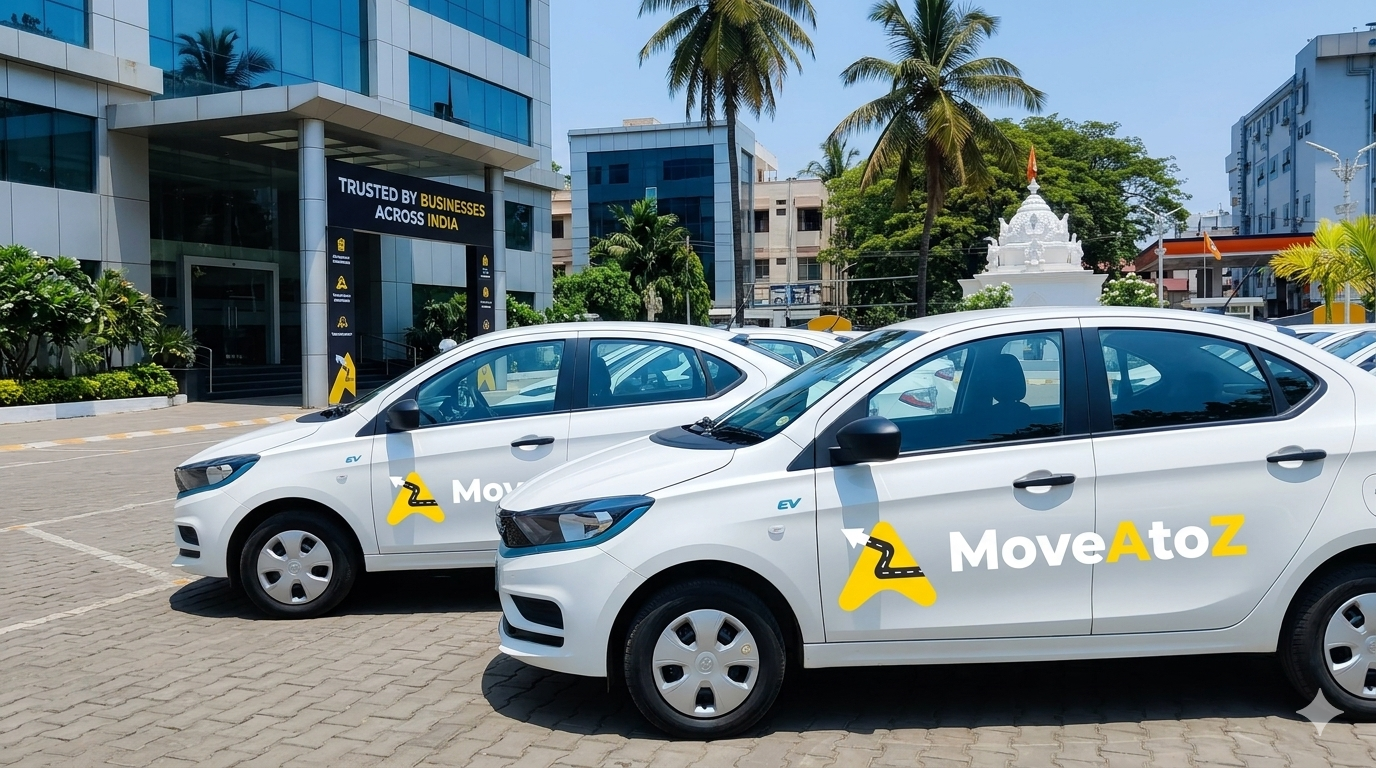
MoveAtoZ is one platform built with exactly this kind of visibility in mind — OTP boarding verification, live trip tracking for the employee and admin team, SOS alerts, IVR-based call masking, and a dedicated women safety module with additional routing and safe-reach protocols. None of it is shared with family members directly. What it does is give the employee something real and current to work with, which tends to be exactly what turns a worried household into a calm one.
For companies evaluating Employee Pickup and Drop Software, it's worth remembering that reassurance doesn't have to mean building a feature for people outside the company. Giving employees accurate, real-time information about their own commute already does most of the work — because employees are usually the ones fielding the "are you okay" texts, and a platform that gives them a real answer, instead of a guess, changes that conversation on its own.
Ananya barely thinks about the software that got her home safely tonight. Meera never touched it at all — she just got a text, the way she always does. Good Employee Pickup and Drop Software isn't really built for the dramatic moments. It's built for evenings exactly like this one, where the person commuting has enough real information to make one quick, honest message home, and the person waiting never has to wonder. That's the actual case for Employee Pickup and Drop Software — not a feature list, just fewer worried evenings on both ends.