Most guides to transport technology are written for the company buying it — HR teams, admins, operations leads. This one's for the other side of that relationship: the vendors and drivers actually running the vehicles. If a client company has recently moved to a Driver Management System, or is asking your fleet to work within one, here's what that actually means for you.
A Driver Management System is the part of a company's transport platform that deals specifically with drivers and vehicles — verifying documents, assigning trips, tracking performance, and handling the day-to-day mechanics of getting a driver from one job to the next. For a vendor, it's less a replacement for how you operate and more a structured layer sitting on top of it, one that standardizes things that used to happen informally, phone call by phone call.
It's easy to see a client's move to a Driver Management System as extra paperwork or added oversight. In practice, it usually solves problems that hurt vendors as much as it helps the client — mainly around documentation, billing, and communication.
Fewer disputed invoices. When billing runs off automated trip and boarding records instead of manual reconciliation, there's less room for disagreement over what actually happened on a given day. A trip either shows up as completed and verified, or it doesn't — which cuts both ways, but tends to resolve disputes faster than arguing over a paper log.
Clearer expectations upfront. A structured system usually means drivers know their assigned trips, routes, and passengers ahead of time through a dedicated app, rather than getting instructions relayed secondhand or updated last minute.
Less time spent proving compliance. Once a driver's documents are verified inside the system, that verification doesn't need to be re-explained to the client every time a question comes up. It's already on record.
For the drivers actually behind the wheel, a Driver Management System usually introduces a few specific changes:
A trip roster they can actually see. Instead of instructions coming through a phone call or a message right before a shift, drivers get their assigned trips, passenger details, and routes directly through a driver app.
Built-in navigation. Turn-by-turn directions to pickup and drop points, removing the guesswork that used to come with unfamiliar addresses.
A clear way to confirm boarding. Drivers confirm passenger pickup through the app rather than relying on a verbal count or memory, which protects them just as much as it protects the client — a confirmed boarding record means there's no ambiguity later about who was actually transported.
Visibility into their own performance. A performance dashboard showing daily trip stats, which gives drivers something concrete to track rather than only hearing about problems when a complaint comes in.
This is usually where vendors feel the most friction at first, and it's worth addressing directly. A Driver Management System typically requires driver licenses, vehicle documents, and compliance records to be submitted and verified before a driver can be assigned trips — often through a dual-approval process where two people sign off before a driver goes live.
From a vendor's side, this can feel like an extra hoop to jump through. In practice, it usually replaces something less convenient: repeated, informal document requests from the client every time a question comes up, or worse, disputes after an incident about whether a driver was actually qualified to be on that route in the first place. Getting the verification done once, properly, tends to save more back-and-forth than it creates.
One of the more practical benefits for vendors shows up in billing. A Driver Management System that ties invoicing to actual trip and occupancy data — rather than flat estimates or manual reconciliation — means vendors get paid based on records both sides can see, not just a claim one side has to take on faith. Whether billing runs by vehicle type or by verified seat occupancy, the underlying principle is the same: less time spent arguing about numbers, more time spent driving.
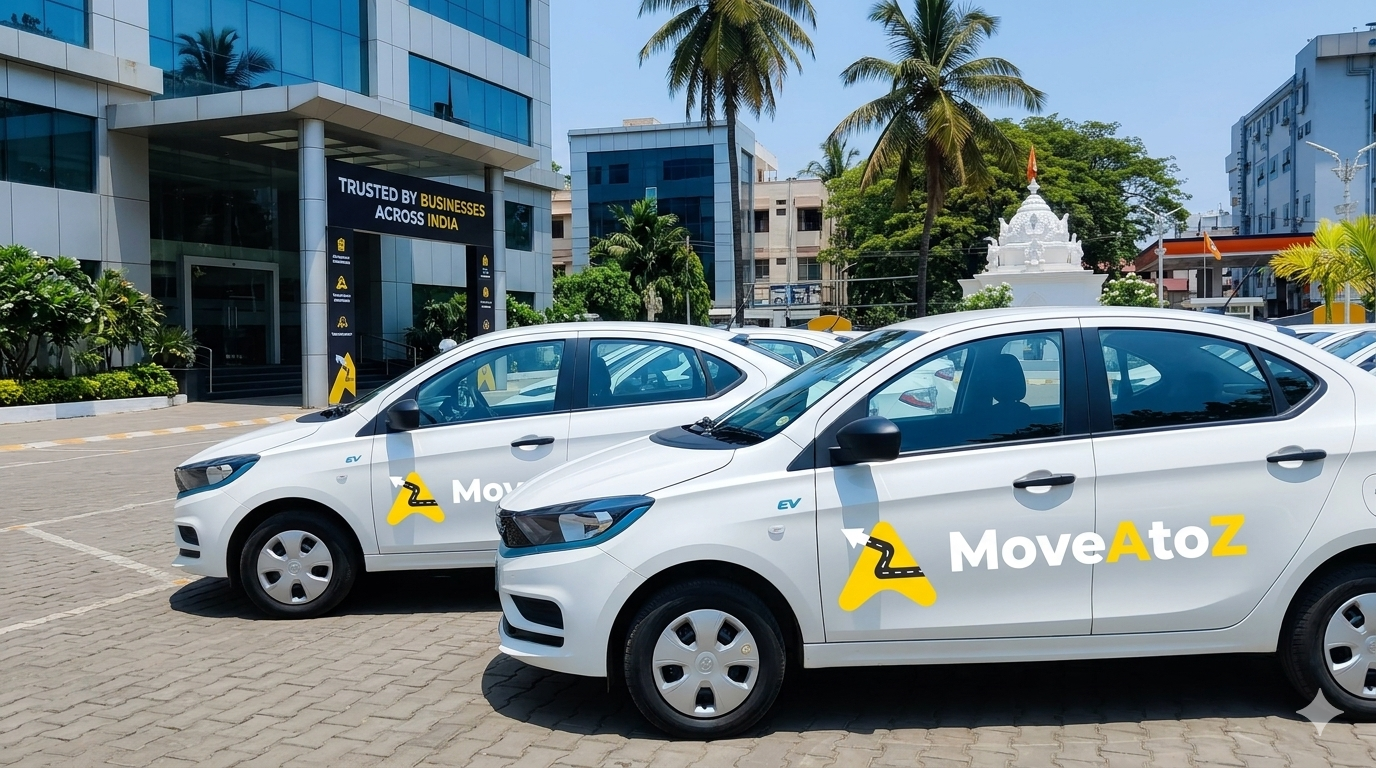
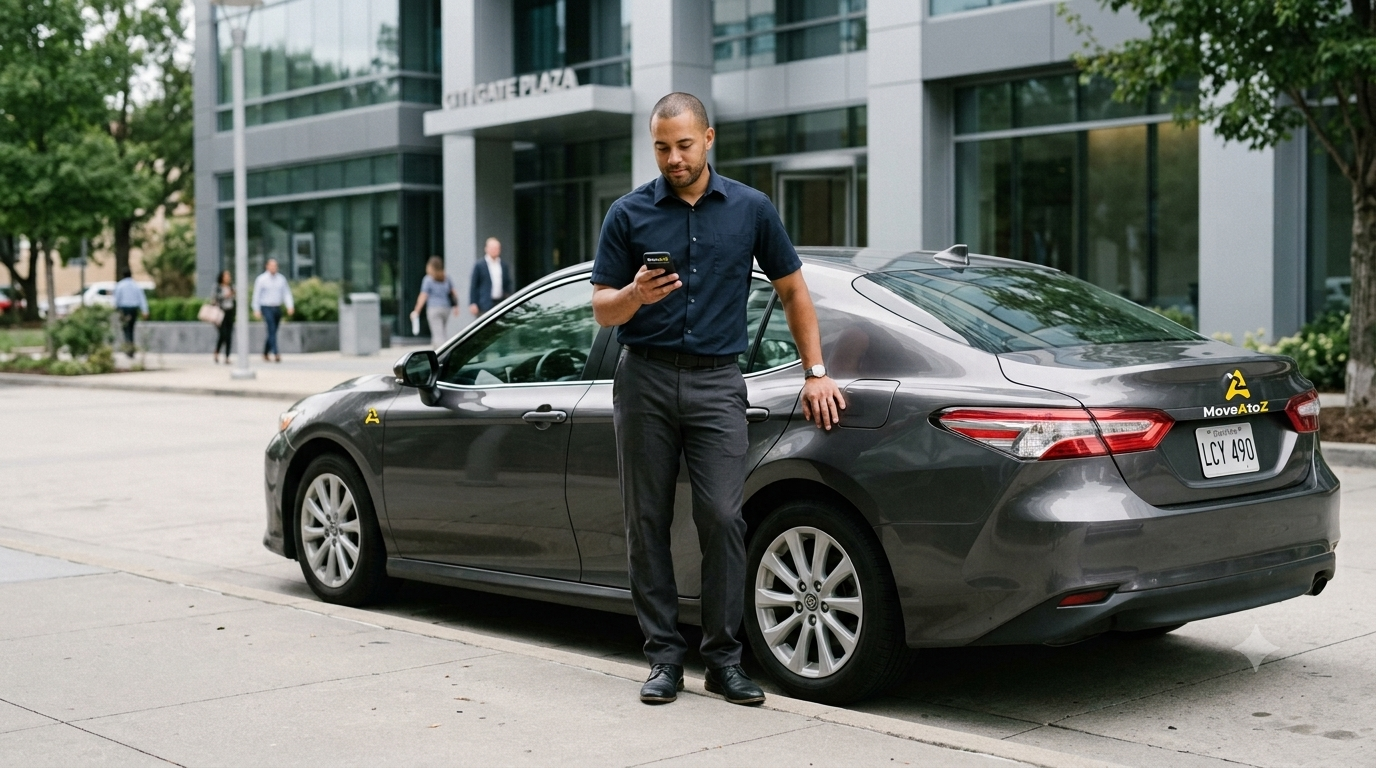
MoveAtoZ's Driver Management System includes a dedicated driver app with trip roster access, built-in navigation, OTP and boarding confirmation, and a performance dashboard — alongside a dual-approval verification process for drivers and vehicles on the client side. For vendors, that means clearer trip information upfront, a documented boarding record for every passenger, and billing tied to actual verified trips rather than disputed estimates.
A few reasonable questions worth raising with a client introducing a Driver Management System:
Does the driver app actually reduce communication overhead, or does it just add another channel drivers have to check alongside phone calls and messages?
Is document verification a one-time process, or something that has to be repeated unnecessarily every time a new question comes up?
Does billing data come from the same system drivers are using, so there's no gap between what a driver logged and what gets invoiced?
Is there a real point of contact for resolving issues, rather than a support process that takes longer than the informal system it replaced?
A Driver Management System can look, from a vendor's side, like extra process being imposed from above. Looked at more closely, most of what it actually does — clearer trip assignments, documented boarding, billing tied to real records — solves problems that used to cost vendors time and money just as much as clients. The paperwork isn't the point. Fewer disputes and less chasing information usually is.