How the Idea of a Corporate Mobility Platform Changes as Work Itself Changes
Five years ago, most companies didn't think of employee transport as something needing a dedicated system at all — it was buses on a fixed route, at a fixed time, for people working a fixed shift. That model made sense when "going to work" meant the same thing for everyone, every day. It doesn't anymore. As hybrid schedules, staggered shifts, and unpredictable office attendance became normal, the tools built for a uniform workforce started breaking down, and companies found themselves reaching for something more adaptable: a corporate mobility platform that could flex with how people actually work now, rather than how they used to.
Stage One: The Fixed-Route Era
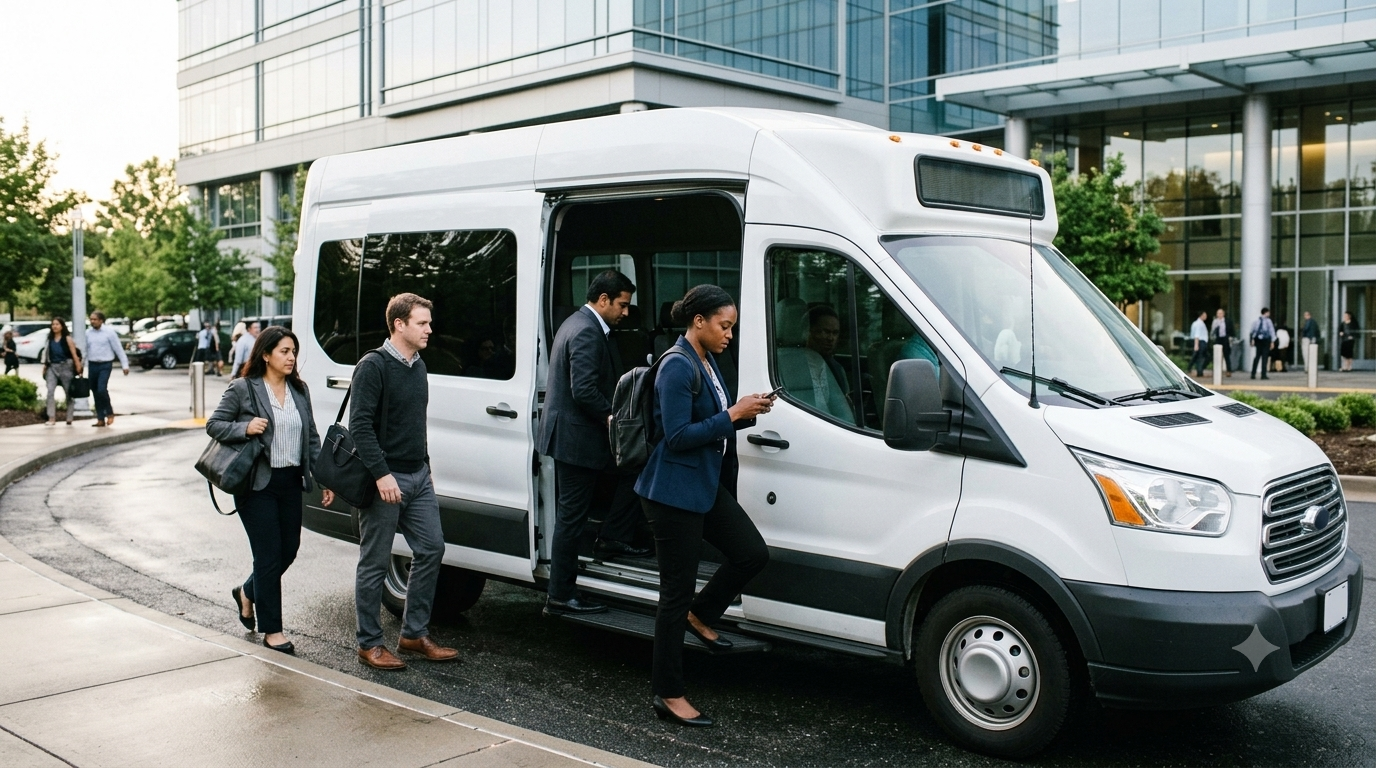
In the early stage of most companies' mobility journey, transport was planned like a train timetable. Everyone came in around the same time, left around the same time, and routes were drawn up once and rarely touched. There was no real need for a corporate mobility platform in this world — a spreadsheet and a transport vendor were enough, because the variable that mattered most, attendance patterns, barely changed week to week.
This worked fine until it didn't. The moment even a portion of the workforce started working different days, different hours, or splitting time between home and office, the fixed-route model began generating waste — half-empty vehicles, employees stranded outside their scheduled window, and admin teams manually rerouting things that used to be static.
Stage Two: The Scramble to Patch a Rigid System
Most companies don't jump straight to adopting a corporate mobility platform the moment hybrid work arrives. There's usually a middle stage where teams try to patch the old system instead of replacing it — more WhatsApp groups, more manual rescheduling, more phone calls to vendors asking for one-off changes. It's a reasonable first instinct, but it doesn't scale. Every exception someone manually accommodates today becomes a precedent someone else expects tomorrow, and admin teams end up spending more time managing exceptions than managing the actual transport program.
This is usually the point where the limitations of a manual approach become impossible to ignore, and companies start actively looking for a system that can absorb variability as a default feature, not a special request.
Stage Three: Recognizing What Flexible Work Actually Requires
The shift in thinking at this stage is subtle but important. Companies stop asking "how do we get people to the office" and start asking "how do we support movement that changes week to week, sometimes day to day." That reframing is really what separates old-style transport management from a genuine corporate mobility platform. The former assumes a static workforce; the latter is built around the assumption that attendance, shift timing, and even office location will keep shifting.
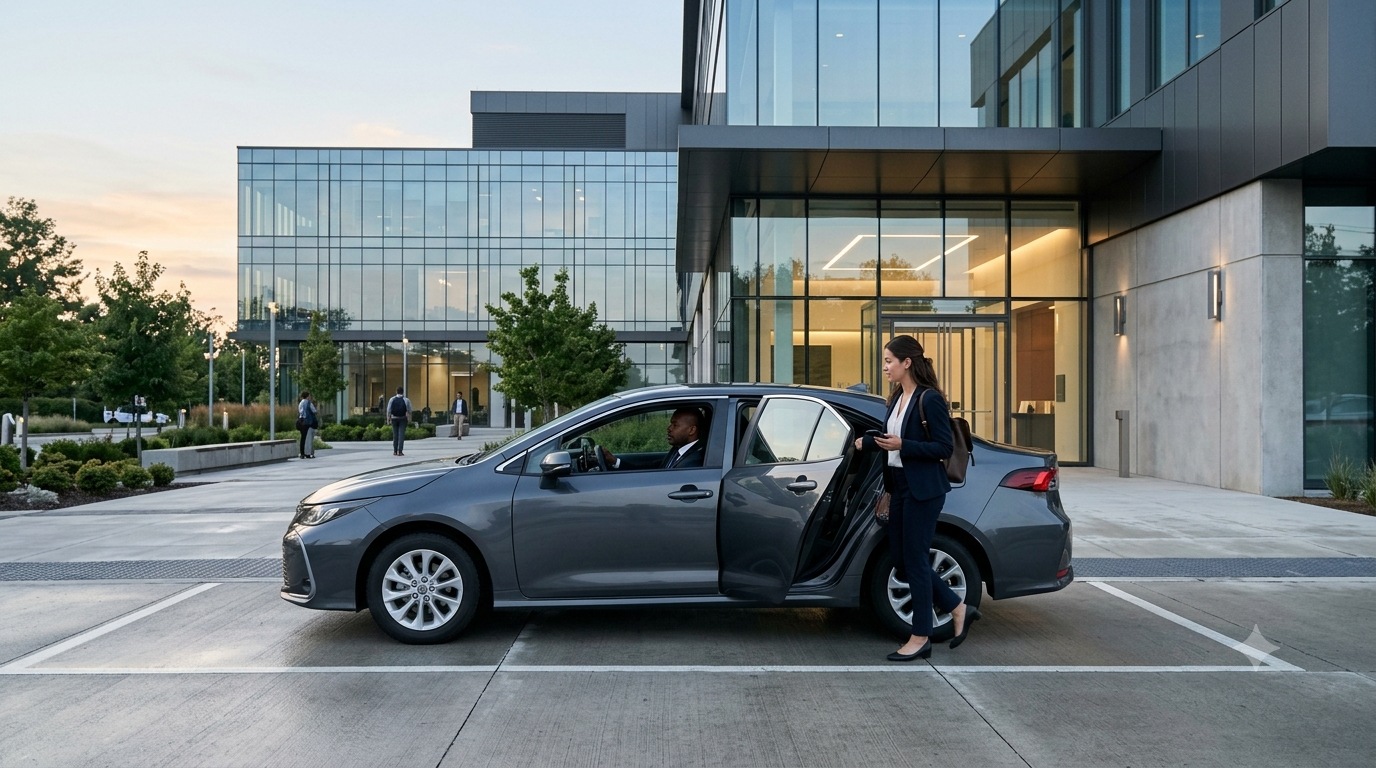
A platform suited to this reality needs to let employees manage their own commute needs directly — an employee self-scheduling app where someone can book, modify, or cancel a ride based on their actual plan for that day, rather than being locked into a route decided weeks in advance. It needs shift-based rostering that's automated rather than manually rebuilt every time a team's hours change. And it needs a live view of what's actually happening — where vehicles are, who's boarded, whether a route is running as planned — because flexibility without visibility just creates a different kind of chaos.
Stage Four: Mobility as Part of the Employee Experience, Not Just Logistics
As companies move further into this stage, mobility stops being treated as a purely operational function and starts being viewed as part of how employees experience working for the company at all. A predictable, well-managed commute affects whether someone feels like flexible work is actually supported, or just tolerated. Late pickups, unclear routes, and safety concerns — especially for employees on early or late shifts — quietly erode trust in a hybrid arrangement that's supposed to be convenient.
This is where safety-specific features stop being nice-to-haves and become core to what a corporate mobility platform needs to deliver. IVR-based call masking protects driver-employee privacy without requiring either party to share a personal number. A dedicated women safety module and SOS alerts give employees direct ways to flag problems in real time, rather than depending on someone noticing after the fact. None of this is about tracking employees more closely — it's about making an unpredictable schedule feel as safe and dependable as the old fixed-route system did, without giving up the flexibility that made hybrid work possible in the first place.
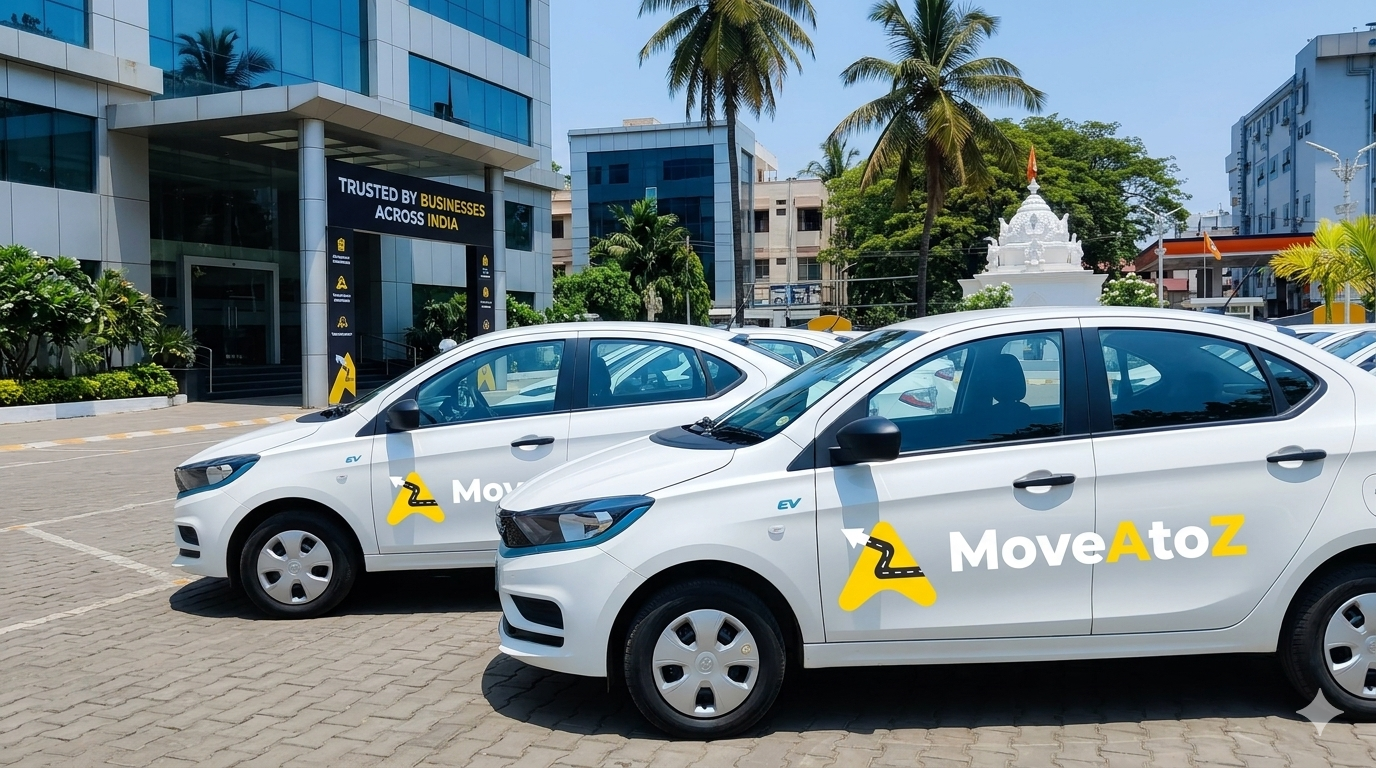
Platforms like MoveAtoZ have been built around exactly this transition — treating flexible, self-managed commuting and consistent safety infrastructure as parts of the same system, rather than separate concerns bolted together.
Stage Five: Mobility Data as a Planning Tool, Not Just a Record
In the more mature stage of this journey, companies start using the data such a platform generates to actually plan ahead, rather than just react. Attendance and commute patterns, viewed through analytics and reporting, start to reveal things that weren't visible before — which routes are consistently underused, which shift timings create the most transport strain, where costs are being driven up by inefficient occupancy rather than genuine demand.
Automated, occupancy-based billing plays a quiet but important role here too. When billing reflects actual usage rather than a flat vendor contract, cost patterns become visible in a way that supports real decisions — about shift structuring, about which offices need more transport support, about where flexibility is being underused versus overused.
Where the Journey Leads
What's notable across this progression is that no company sets out planning to need a corporate mobility platform. It's usually the accumulated friction of trying to run a flexible workforce on rigid infrastructure that pushes the decision. The companies furthest along this journey aren't necessarily the largest ones — they're the ones that recognized earliest that hybrid and flexible work isn't a temporary phase to work around, but a permanent shift that transport needs to be built for, not patched against.
The endpoint of this journey isn't really a destination so much as a different default: mobility that adjusts to how people actually work, instead of asking people to adjust to how transport happens to be organized. That's the real distinction a genuine corporate mobility platform is meant to make, and it's likely to matter more, not less, as flexible work arrangements continue to be the norm rather than the exception.