Ask most companies how many vehicles are on the road for them right now, who's driving each one, and whether every driver's documentation is actually up to date, and you'll usually get a pause before an answer — if you get a full answer at all. That gap isn't really about fleet size. It's about visibility, and it's exactly what Corporate Fleet Management Software is built to close.
Relying on a transport vendor to manage the fleet feels like it should cover this. In practice, it usually means the company has outsourced not just the driving, but the accountability along with it. If a vendor doesn't proactively report a lapsed driver document or a vehicle pulled from rotation, the company has no independent way of knowing — it's simply trusting the vendor's word. That gap gets more serious the moment something goes wrong and someone asks a direct question the company can't answer on its own.
| Accountability Area | Without Visibility | With Corporate Fleet Management Software |
|---|---|---|
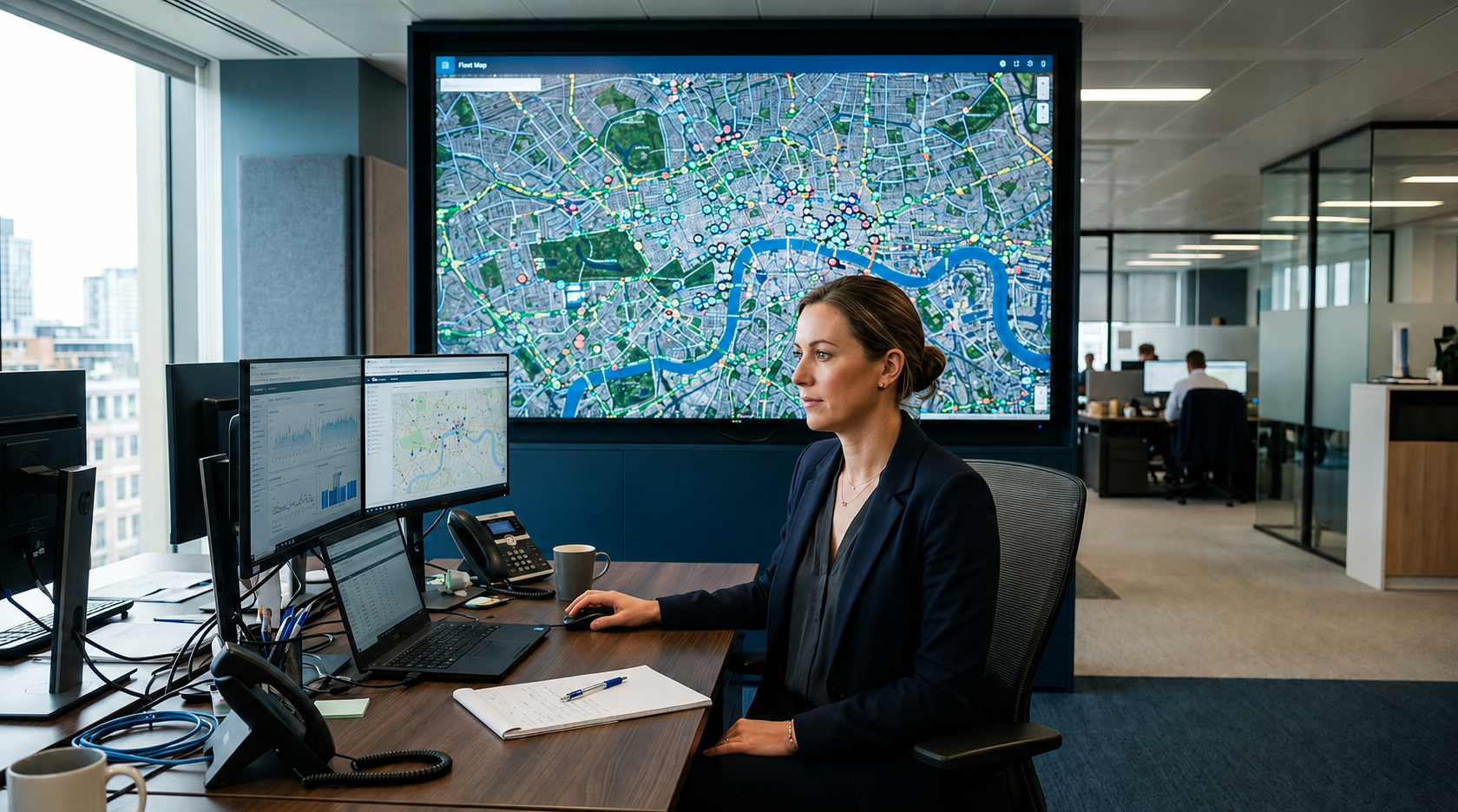
| Vehicle location | Known only to the vendor, if at all | Live map view of every active vehicle, visible to admins directly |
| Driver documentation | Checked once, if ever, by the vendor | Verified through a dual-approval, maker-checker workflow before assignment |
| Trip records | Scattered across vendors, often incomplete | Centralized, logged automatically for every trip |
| Incident response | Depends on the vendor reporting it | SOS alerts routed directly to an admin dashboard with live location |
| Vendor dependency | Single-vendor reliance, no fallback visibility | Centralized oversight across multiple vendors from one dashboard |
| Reporting | Reconstructed manually, often after a problem surfaces | Automated reports on trips, billing, no-shows, and vehicle utilization |
Laid out this way, the pattern is consistent: without a centralized system, accountability sits entirely with whoever happens to be running the vehicles — not with the company that's actually responsible for the people inside them.
One specific pattern shows up often enough to call out directly: companies that rely on a single transport vendor for their entire fleet, without any independent way to verify what that vendor reports. It works fine until it doesn't — a vehicle goes out of service, a driver's documentation lapses, or the vendor simply can't cover a shift, and the company finds out only when something has already gone wrong on the ground.
Corporate Fleet Management Software addresses this directly by giving companies their own independent layer of visibility, regardless of how many vendors are actually running vehicles. This is precisely the kind of gap Corporate Fleet Management Software is designed to close — a fleet doesn't need to be single-vendor for a company to have single-vendor levels of blindness — it just needs to lack a system that tracks vehicles and drivers independently of whoever's driving them.
In practice, it gives admins a few specific, concrete views rather than a vague promise of "oversight":
None of this requires the company to take over fleet operations itself. It just means the company isn't relying entirely on someone else's word for what's actually happening.
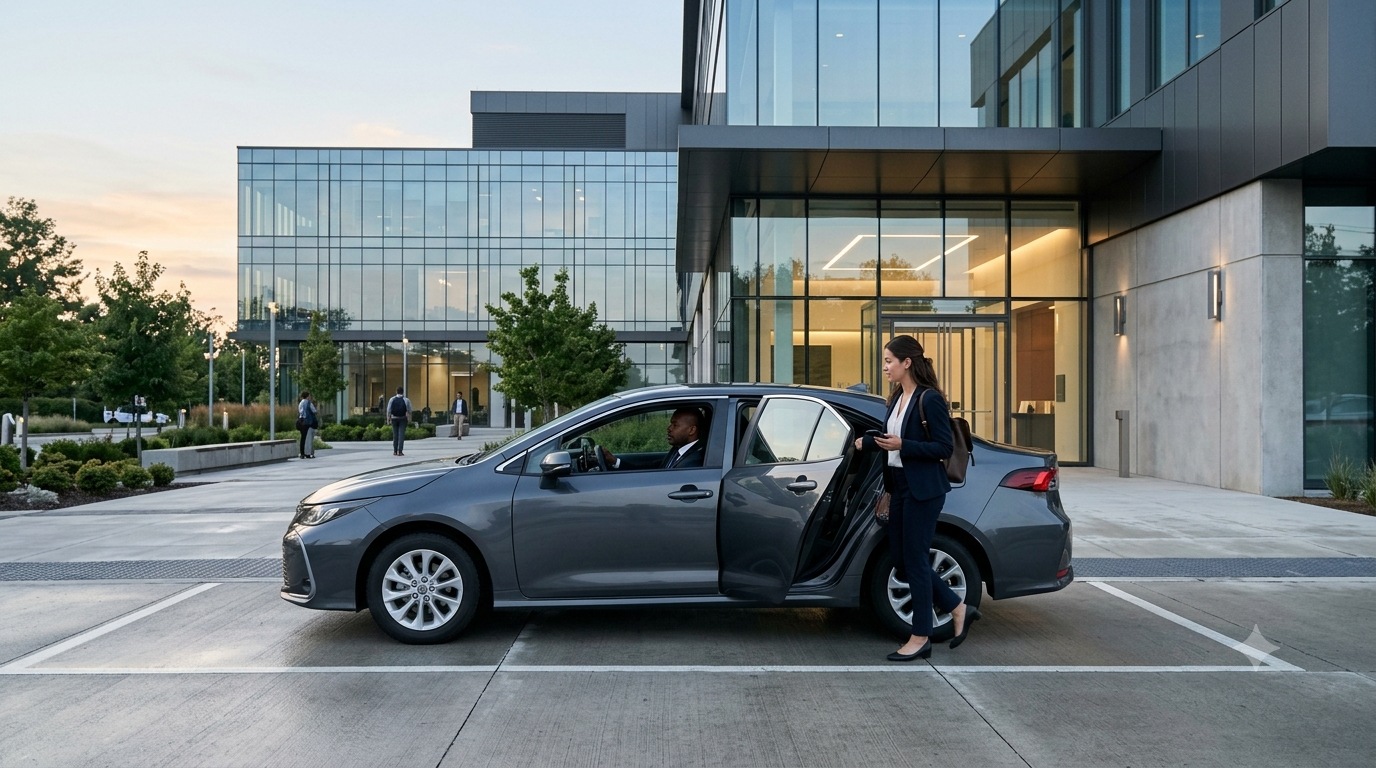
Fleet accountability rarely feels urgent until a specific moment forces it — a regulator asking for records, an insurer asking about driver verification, or an incident where the first question is "who was actually driving that vehicle." Companies without Corporate Fleet Management Software usually discover, at exactly that moment, that they've been operating on trust rather than on actual data.
That's the real argument for visibility: not that it prevents every problem, but that it means a company has an actual answer the moment someone asks a hard question, instead of scrambling to reconstruct one from a vendor's cooperation after the fact.
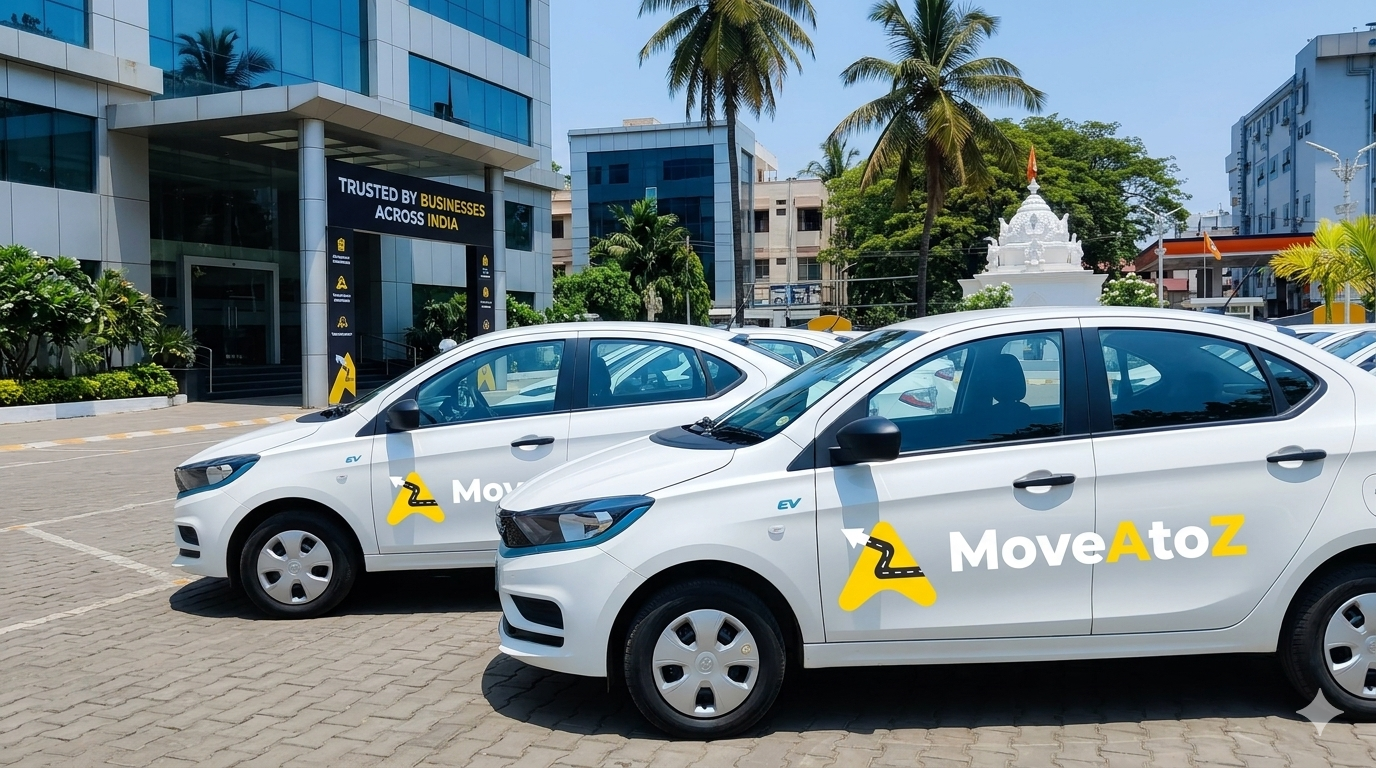
MoveAtoZ approaches fleet visibility through a live tracking dashboard covering every active vehicle and driver across sites, a dual-approval compliance workflow that verifies drivers and vehicles before they're assigned trips, an SOS control panel with a structured response process, and analytics reports covering billing, no-shows, and vehicle utilization — all viewable from a single admin panel rather than pieced together from separate vendor relationships.
A few honest questions cut through most of the sales language when evaluating a platform:
1. Does visibility cover every vendor, or only the vehicles running through one preferred partner?
2. Is driver and vehicle compliance actually verified, through a real approval process, or just self-reported by the vendor?
3. Does an incident anywhere in the fleet route to the same place, regardless of which vendor's vehicle it involves?
4. Can you pull utilization and cost reports independently, without needing to request them from a vendor first?
Most companies don't lack a fleet — they lack visibility into the one they already have. Corporate Fleet Management Software doesn't change how many vehicles are on the road or who's driving them. What it changes is whether the company actually knows, on its own, rather than finding out secondhand from a vendor after something's already happened. That difference is, in the end, the entire case for adopting Corporate Fleet Management Software in the first place.